
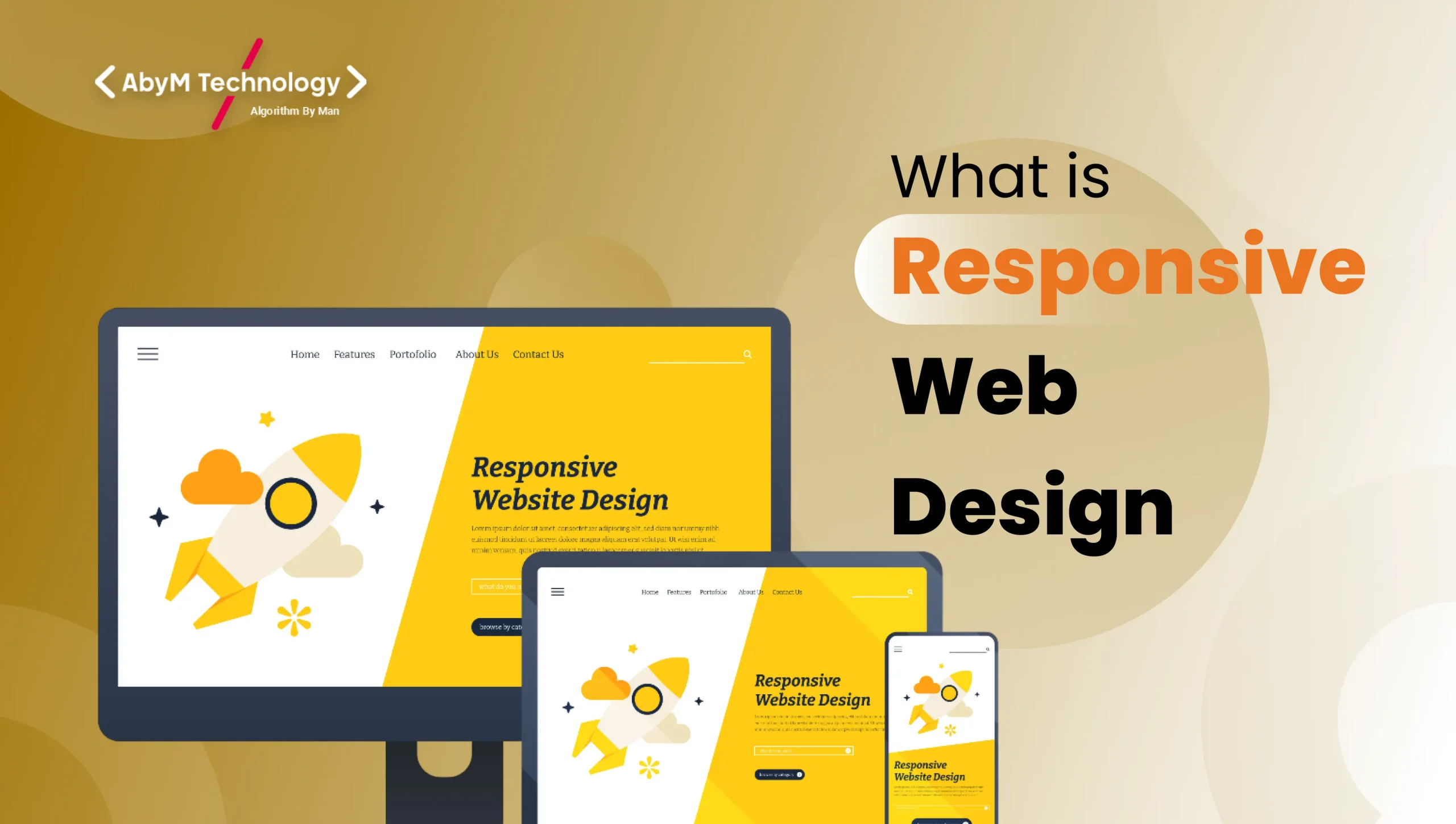
In today’s digital world, people browse the internet on everything from massive desktop monitors to tiny smartwatches. If your website looks perfect on a laptop but turns into a jumbled mess on a smartphone, you’re losing visitors—and customers—fast. This is exactly why Responsive Web Design (RWD) has become the gold standard for modern websites.
Coined by Ethan Marcotte in 2010, responsive web design is an approach that makes your website look and work beautifully on any device with a single codebase. Instead of creating separate versions for desktop, tablet, and mobile, a responsive site automatically adjusts its layout, images, fonts, and functionality based on the screen size and orientation.
Think of it as a rubber band: it stretches and contracts smoothly without breaking.
How Does Responsive Web Design Actually Work?
Responsive design relies on three core technical pillars:
- Fluid Grids Traditional fixed-width layouts (like 960px) are replaced with percentage-based or relative units (%, em, rem, fr). This allows columns and elements to resize proportionally.
- Flexible Images and Media Images scale within their containing elements using CSS properties like max-width: 100%; and height: auto;. Modern formats like WebP and the <picture> element also help serve optimized versions.
- CSS Media Queries The magic ingredient. Media queries let developers apply different styles based on device characteristics—screen width, height, orientation, resolution, and more.
Example of a simple media query: