
AbyM Blog

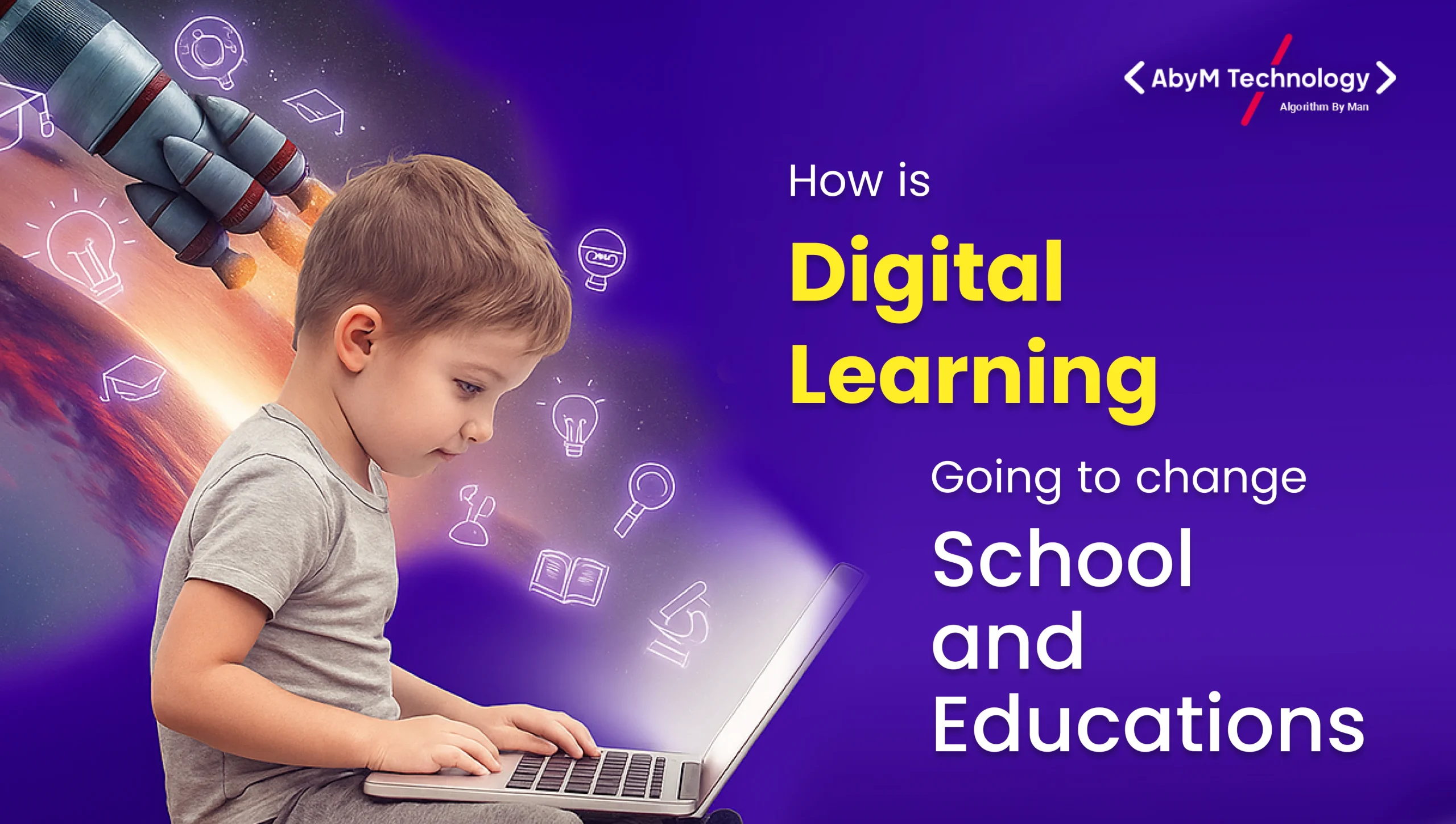
How is Digital Learning Going to Change Schools and Education

How is Digital Learning Going to Change Schools and Education

In today’s fast-paced, technology-driven world, education is no longer confined to the four walls of a classroom. The rise of digital learning has revolutionized how students learn, how teachers teach, and how knowledge is shared globally. With tools like online learning platforms, virtual classrooms, e-books, and AI-powered tutoring systems, education has become more personalized, accessible, and engaging than ever before.

This article explores how digital learning is transforming schools, the key changes it brings to modern education, and how it prepares students for a future shaped by technology.

What Is Digital Learning?

Digital learning refers to the use of technology and digital tools to deliver educational content and enhance learning experiences. It includes everything from interactive online courses and mobile learning apps to virtual classrooms and digital assessments. Unlike traditional methods that rely heavily on textbooks and lectures, digital learning allows students to access resources anytime, anywhere, and learn at their own pace.

1. Personalized Learning: Tailoring Education to Every Student

One of the biggest advantages of digital learning is personalization. Every student learns differently — some grasp visual content faster, while others prefer hands-on experiences or audio learning. Digital tools use data and analytics to identify each student’s strengths, weaknesses, and progress, allowing for customized learning paths.

How It Works:

  • AI-powered platforms adapt lessons based on a student’s performance.
  • Interactive quizzes provide instant feedback, helping learners identify areas for improvement.
  • Teachers can design personalized assignments to target specific learning gaps.

This approach not only improves understanding but also builds confidence and motivation, as students feel more in control of their learning journey.

    2. Flexibility and Accessibility: Learning Without Boundaries

    Digital learning has removed traditional barriers to education. Students no longer need to be physically present in a classroom to learn. With online courses, video lectures, and learning management systems (LMS), education is now accessible from any device, anywhere in the world.

    Key Benefits:

    • Students can learn at their own pace and schedule.
    • Learners from remote or rural areas can access quality education.
    • Working professionals can continue education without disrupting their careers.

    This flexibility makes education more inclusive, allowing people of all ages, backgrounds, and lifestyles to pursue learning opportunities that suit them.

    3. Enhanced Engagement Through Interactive Content

    Traditional textbooks are static — they present information in one format. Digital learning, however, brings knowledge to life with interactive videos, animations, simulations, and gamified lessons that captivate students’ attention.

    Why Engagement Matters:

    Interactive digital content:

    • Makes complex topics easier to understand.
    • Keeps students motivated and reduces boredom.
    • Encourages active learning rather than passive note-taking.

    For example, science students can perform virtual experiments, and history learners can explore 3D recreations of ancient civilizations — experiences that make learning more exciting and memorable.

    4. Empowering Teachers with Digital Tools

    Digital learning isn’t just for students — it also empowers teachers. Technology offers educators a wide range of tools for planning lessons, managing content, assessing student performance, and providing real-time feedback.

    Teacher Benefits:

    • Automated grading systems save time.
    • Data analytics help identify student learning trends.
    • Online collaboration tools make communication smoother between teachers, parents, and students.

    Teachers can also use multimedia content and interactive exercises to create a more dynamic learning environment. With digital platforms, educators become facilitators and mentors rather than just information providers.

    5. Developing Future-Ready Skills

    Today’s students will enter a world where digital literacy, critical thinking, and problem-solving are essential. Digital learning naturally helps them develop these 21st-century skills.

    Skills Gained Through Digital Learning:

    • Digital literacy: Understanding and using technology effectively.
    • Collaboration: Working with peers through online tools and platforms.
    • Critical thinking: Evaluating digital information and solving problems creatively.
    • Self-motivation: Managing time and learning independently.

    By integrating technology into classrooms, schools prepare students for future careers in an increasingly tech-driven world.

    6. Global Access to Knowledge

    One of the most remarkable impacts of digital learning is its ability to remove geographical boundaries. Students can now learn from world-class institutions, access global courses, and interact with peers from different cultures.

    Examples:

    • MOOCs (Massive Open Online Courses) like Coursera and edX offer free and paid courses from top universities.
    • Virtual exchange programs enable cultural and academic collaboration worldwide.

    This global access not only democratizes education but also fosters cross-cultural understanding and communication skills.

    7. Improved Collaboration and Communication

    Technology promotes collaboration not just among students but also between teachers and parents. Through learning management systems, video conferencing, and communication apps, students can easily connect for group projects, discussions, and feedback sessions.

    Collaborative Advantages:

    • Enhanced teamwork through shared documents and digital whiteboards.
    • Regular updates for parents about student progress.
    • Stronger school communities through digital communication channels.

    These tools create a connected ecosystem where everyone involved in education can participate actively in the learning process.

    Challenges of Digital Learning

    While digital learning brings enormous benefits, it also comes with challenges such as:

    • Digital divide: Not all students have access to reliable internet or devices.
    • Screen fatigue: Excessive screen time can affect concentration and health.
    • Cybersecurity risks: Protecting student data is crucial.

    Addressing these issues requires ongoing investment in infrastructure, teacher training, and policies that promote safe, equitable digital education.

    The Future of Digital Learning

    The future of education will likely be blended, combining traditional teaching with digital tools. Emerging technologies like AI, AR/VR, and gamified learning will make education even more immersive and personalized.

    Schools and universities must continue evolving, ensuring that digital transformation supports both academic success and the holistic development of learners.

    Conclusion

    Digital learning is not just a trend — it’s a revolution shaping the future of education. It offers personalized, flexible, and inclusive learning experiences that empower both students and teachers. By integrating technology effectively, schools can cultivate creativity, collaboration, and critical thinking — skills that prepare learners for success in a rapidly changing world.

    The transformation is clear: education is no longer about memorizing information — it’s about engaging with it, understanding it, and applying it to real life.

    FAQs

    Q1. What is digital learning in simple terms?

    A1. Digital learning means using technology such as computers, tablets, and the internet to teach and learn. It includes online classes, digital textbooks, and interactive content.

    Q2. How does digital learning help students?

    A2. It allows students to learn at their own pace, access global resources, and engage with interactive materials that make learning more fun and effective.

    Q3. Is digital learning better than traditional learning?

    A3. Both have their strengths. Digital learning offers flexibility and accessibility, while traditional learning provides face-to-face interaction. The best approach is a blend of both.

    Q4. What are examples of digital learning tools?

    A4. Examples include Google Classroom, Microsoft Teams, Zoom, Kahoot!, Moodle, Coursera, and educational apps like Duolingo or Khan Academy.

    Q5. Can digital learning improve student performance?

    A5. Yes. Personalized learning and real-time feedback help students focus on their weaknesses and improve faster than in traditional settings.

    Q6. What challenges do schools face with digital learning?

    A6. Challenges include limited internet access, lack of digital devices, and the need for teacher training in using new technologies effectively.

    Q7. How does digital learning benefit teachers?

    A7. Teachers can save time on grading, track student progress through data analytics, and create more engaging and customized lessons.

    Q8. Does digital learning prepare students for future jobs?

    A8. Absolutely. It helps students develop essential skills like digital literacy, problem-solving, communication, and adaptability — all crucial for future careers.

    Q9. What role does AI play in digital learning?

    A9. AI helps create personalized learning paths, automate administrative tasks, and provide intelligent feedback to both teachers and students.

    Q10. What is the future of digital learning?

    A10. The future will be hybrid, combining digital tools with traditional teaching. Technologies like AI, virtual reality, and gamification will make education even more interactive and immersive.

    AbyM Technology

    AbyM Technology is a leading IT and digital solutions company offering premium website development, mobile app development, software solutions, and digital marketing services. With over a decade of expertise, we help businesses grow through innovative technology, creative design, and result-driven strategies. Our team specializes in building responsive websites, user-friendly mobile apps, and effective SEO, social media, and branding solutions. At AbyM Technology, we focus on quality, timely delivery, and complete client satisfaction.

    Categories

    Subscribe to Our Blog

    Related Post

    Other Related Articles